
Pocket City 2
Codebrew GamesSimulation
4.5542.00 Reviews
- Version
- 1.096
- Installs
- 100.00K
- Age Rating
- Everyone
Screenshots
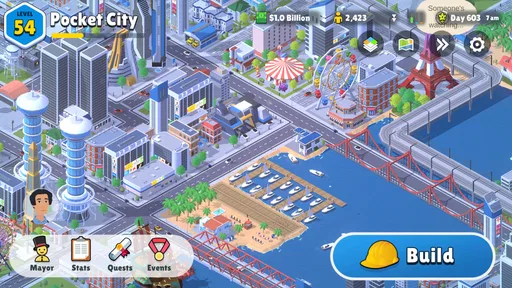
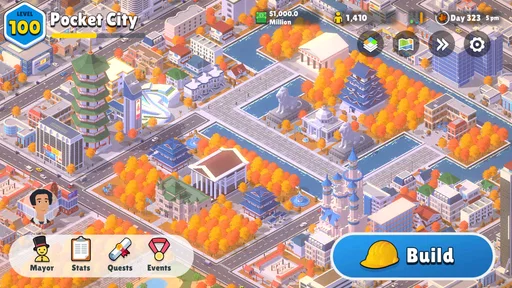
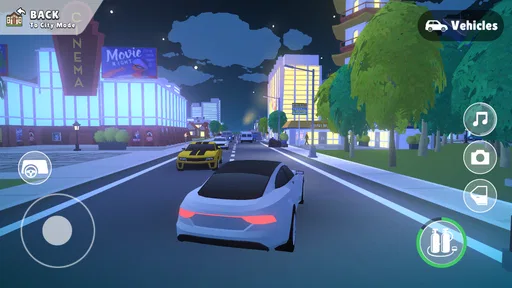
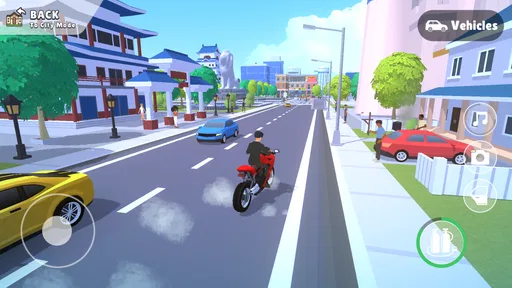
Our Review of Pocket City 2
 Analysis by Appyee
I tend to enjoy city builders most when they fit into an ordinary break rather than demanding a long, uninterrupted session. Pocket City 2 has that appealing pick-up-and-plan feel: I can look at a neighborhood, decide what is missing, and make a few changes without turning the whole experience into a complicated project. It is a paid simulation game from Codebrew Games, priced at $4.99, and its mayor-and-metropolis setup gives it a clear purpose from the start.
That makes it easy to imagine sharing the game in a household. One person might care about making a tidy-looking town, while another wants to see what happens when the city grows or faces a new challenge. The strongest shared-use approach, in my view, is to treat the city as a conversation starter rather than assume everyone will want to manage it in exactly the same way.
A city that invites a second opinion
In a realistic evening scenario, I might open the game after dinner and ask someone else to help decide where a new park should go. We could compare the options, make the change, and see whether the resulting layout feels better. That kind of small, low-pressure decision is a natural fit for a city builder: the activity is collaborative even when one person is holding the device.
It also works for solo play when the rest of the household is busy. I can make a quick adjustment, leave a larger redesign for another time, and return with a fresh idea. The appeal is less about rushing toward a finish and more about shaping a place through a series of choices.
Shared devices need simple ground rules
If several people use the same phone or tablet, I would agree on who is making changes before handing it around. A city is a shared project once someone else starts moving buildings or changing the plan, and a well-meant edit can undo another player’s careful layout. Taking turns with a specific task—such as choosing a district to improve—makes the handoff clearer than letting everyone make unrelated changes at once.
I would also decide whether the person playing is free to experiment or expected to preserve a particular design. That distinction matters especially for younger players: playful trial and error is part of the fun, but it can be frustrating if someone assumes the city is being managed toward a specific goal. These are practical household agreements, not special in-game controls.
Building Your Dream City
From the moment you open Pocket City 2, you're thrust into the exciting world of city planning. You're the mayor, the architect, and the chief of everything. The game kicks off with a simple tutorial that gives you the basics of zoning residential, commercial, and industrial areas. It's straightforward, but don't be fooled — there's a lot more depth here than meets the eye.
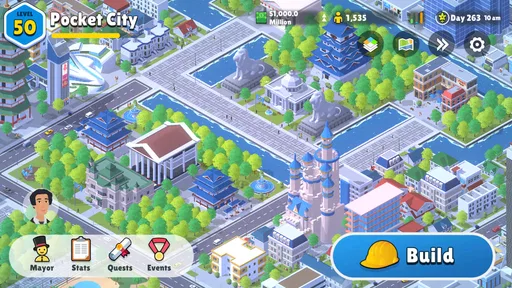
The interface is super intuitive. You tap to build; you drag to zone. It's all very touch-friendly. I loved how the game lets you tweak the layout as much as you want. Feel like moving that park to the other side of town? Go for it! It's all about making the city feel like yours.
Challenges and Events
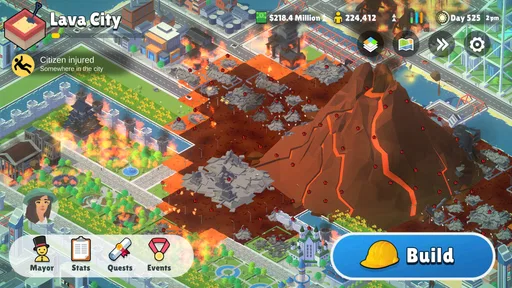
As you progress, the game throws various challenges your way. Need to manage traffic flow? Want to improve your city's happiness index? There are always goals to keep you engaged. The events are a nice touch, too. Sometimes, you'll have to deal with a sudden tornado or a festival that boosts your economy. It keeps the gameplay fresh and exciting.
And let's talk about the little people — your citizens. They have needs, and they won't hesitate to tell you about them. Meeting their demands is a balancing act of resources and time. It's all about finding that sweet spot where everyone is happy.
Planning without turning it into homework
A useful habit is to pause before expanding and ask what the next change is meant to solve. If a district feels awkward, I would check its layout and nearby services before simply adding more buildings. That small bit of diagnosis can make a city feel deliberate instead of like a patchwork of reactions. It also gives a shared player a clear job: identify one issue, then suggest a focused fix.
The trade-off is that city management naturally asks for attention to several needs at once. If I only want a decorative building toy, the goals and citizen demands may feel like friction rather than motivation. On the other hand, players who enjoy seeing a plan tested by changing conditions will likely appreciate that the city does not feel like a static diorama.
Visuals and Soundtrack
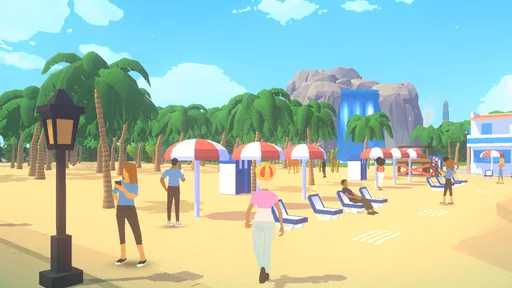
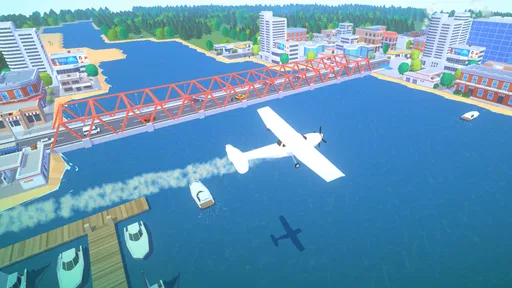
The graphics are vibrant and colorful, making each building pop. The attention to detail is impressive, especially when you zoom in and see the bustling life on the streets. The soundtrack is pretty chill, too. It's the kind of music that gets you into a groove without being distracting.
For household play, that readable, lively presentation is a real advantage: someone watching over your shoulder can follow what is happening without needing to study a dense map. I would still expect the experience to be more enjoyable for someone who likes planning and tinkering than for a person looking for constant action. The pace is built around observing the city and deciding what to do next.
How it compares with other city builders
Compared with more demanding city-management games, this one feels approachable because the basic actions are easy to understand and the touch controls suit a phone or tablet. It gives newcomers a gentler way into zoning and balancing a growing town. More experienced players may prefer a city builder with deeper systems or more intricate long-term planning, especially if they want complexity to be the main attraction rather than one part of a relaxed simulation.
Compared with purely creative building games, the goals, citizen needs, and events give each decision more consequence. That added structure is a strength when I want a reason to rethink a layout, but it is not ideal if I want complete freedom without management pressure. The sandbox option described below is the better fit for that mood.
Age, trust, and who will enjoy it
The game has an Everyone age rating, which makes it suitable to consider for a broad household audience. I would still think about the individual player’s patience and interests: a child who likes arranging buildings may enjoy experimenting, while someone who dislikes planning can find the management side less inviting. The rating is useful context, but it does not mean every age will find the same parts engaging.
I would recommend it to people who enjoy gradual problem-solving, creative layout choices, and seeing a town respond to their decisions. I would skip it if I wanted a fast-action game, a purely shared social experience, or a city builder whose appeal depends on highly detailed systems. It is also worth remembering that the game costs $4.99, so it makes sense to choose it because the city-building style sounds appealing, not just because it is an easy game to pass around.
Replayability Factor
One of the things I love most about Pocket City 2 is its replayability. No two cities are ever the same. You can experiment with different layouts or challenge yourself by imposing restrictions like no industrial zones. The game gives you the freedom to try out different strategies, making every session feel fresh.
For a more satisfying replay, I would pick one clear theme or limitation before starting rather than trying to optimize everything at once. A restriction such as avoiding industrial zones, as the game already invites players to try, gives the next city a recognizable identity and makes comparisons more interesting. It is also an easy way for two people to take turns creating contrasting approaches instead of competing over a single “correct” layout.
There's also a sandbox mode for when you just want to build without any constraints. It's perfect for those times when you want to get creative or test out new ideas without worrying about money or citizen complaints.
That difference makes the choice of mode a useful answer to a common question: should I play for goals or simply design? When I want pressure and a reason to make trade-offs, the challenge-driven side is more engaging. When I want to sketch a neighborhood or let someone else experiment freely, sandbox is the more relaxed starting point. Neither mood has to be forced into the other.
Practical details and household verdict
Codebrew Games released this simulation on March 24, 2023, and the current version is 1.096. It has an average rating of 4.3 from around 3.6 thousand ratings, with more than 100 thousand installs. Those figures suggest a well-established audience, but I would make the decision based on the kind of play it offers: a hands-on city project with both management and creative elements.
It is intended for devices running Android 10 or later. Since it is a paid game, I would also make sure the person choosing it understands that it is a purchase rather than a free casual download. In a shared-device household, agreeing who is responsible for the purchase and who gets to make changes to the city can prevent avoidable misunderstandings. There is no need to assume that a household account or family-specific feature will handle those conversations for you.
Final Thoughts
Overall, Pocket City 2 is a must-have for anyone who loves simulation games. It's easy to pick up, yet it offers enough depth to keep you coming back. Whether you're a casual gamer or a city-building veteran, this game has something for you. So, if you haven't already, give it a download and start building your dream city today. Trust me, you'll be hooked!
My more measured recommendation is to get it if you like the combination of practical city decisions and creative freedom. It is especially appealing when you want a game that can be played alone but also gives another person a simple way to join the discussion. If you prefer fast rounds, minimal planning, or a much more intricate management simulation, a different kind of game may suit you better.
Ready to dive into the world of city management? You can download Pocket City 2 from your favorite app store now. Happy building!
Verdict
Strengths of Pocket City 2
- Immersive 3D graphics enhance gameplay.
- Offline mode available for uninterrupted play.
- Intuitive controls make building easy.
- Variety of buildings and customization options.
- Dynamic weather system adds realism.
Limitations of Pocket City 2
- Limited storyline depth.
- Occasional performance lags.
- Some features locked behind paywalls.
- Building space can feel cramped.
- Lack of multiplayer interaction.
Other Releases by Codebrew Games
View All
Pocket City
Simulation4.3
Similar Picks in This Category
View All
Truckers of Europe 3
Wanda Software4.3

Town Building Life Simulator
XGame Global4.2

Fidget Toys Trading・Pop It 3D
Freeplay Inc4.7

Sculpt People
CrazyLabs LTD4.4

Scary Teacher 3D
Z & K Games4.2

Hair Tattoo: Barber Shop Game
CASUAL AZUR GAMES4.3
Frequently Asked Questions
What is Pocket City 2 and how does it differ from the original Pocket City?
Pocket City 2 is the sequel to the popular city-building game, Pocket City. It enhances the experience with a fully immersive 3D environment, allowing players to zoom, rotate, and explore their city from a first-person perspective. Unlike the original, Pocket City 2 introduces dynamic weather, more detailed citizen interactions, and an expanded economic system, providing a more complex and engaging gameplay experience.
Does Pocket City 2 require an internet connection to play?
No, Pocket City 2 does not require an internet connection, making it ideal for offline play. This feature is perfect for users who want to enjoy the game without being tethered to Wi-Fi or using mobile data. However, occasional updates might require an internet connection to download new content and features.
What are the system requirements for Pocket City 2 on Android and iOS devices?
Pocket City 2 demands a moderate amount of processing power due to its 3D graphics and detailed environment. For Android, it requires at least Android 8.0 or higher with 2GB of RAM. For iOS, the game is compatible with iOS 12.0 or later. Ensuring your device meets these requirements will provide a smooth gaming experience.
Are there in-app purchases or ads in Pocket City 2?
Pocket City 2 offers a one-time purchase model without any in-app purchases or ads, allowing players to enjoy the game without interruptions. This approach enhances the gaming experience by keeping the focus on gameplay and creativity rather than monetization, unlike many other mobile games.
How does Pocket City 2 handle game updates and new content?
Pocket City 2 regularly releases updates to introduce new features, bug fixes, and content expansions. These updates aim to enhance gameplay and provide players with fresh challenges and tools for city development. Players can enable automatic updates on their devices to ensure they always have the latest version of the game.
Play our best games!


